

Farm Financial Management FAQs
Farm financial management is a comprehensive process that involves planning, tracking and analyzing financial resources to ensure profitability, sustainability and stability of operations. Effective management includes a robust accounting program focused on budgeting, cost control, cash flow management, projections and informed investment decisions. Armed with accurate financial information, farmers can make important decisions about:
- investing in crops and livestock,
- managing debt,
- maximizing profits and
- the pros and cons of loans and government programs.
AgriBuilder creates the most value for agricultural businesses by integrating:
- intuitive accounting software (Xero)
- seamless and actionable farm management software (Figured) and
- ongoing advice and support from seasoned agriculture financial consultants.
A robust farm accounting program helps farmers manage finances, expenses and income while seamlessly integrating with your farm management system. In addition to these necessities, your farm accounting software must help you streamline the process for annual tax filings. Check out these common signs that your accounting system is broken.
An effective farm accounting process delivers updated financial reports that empower decision making. There are three standard financial statements including the balance sheet, income statement and statement of cash flow. The balance sheet conveys details about the farm’s assets, liabilities and overall net worth. The income statement reports revenues and expenses over a specific period of time, and the cash flow statement highlights the movement of cash.
Adams Brown regularly reviews financial reports with agriculture clients to monitor operations, assess profitability, identify trends for planning and make informed decisions. Together, we also review:
- accounts payable and receivable,
- budget versus actual,
- break-even analysis,
- cost of production,
- crop gross margin,
- depreciation schedules,
- inventory breakdowns by field and/or crop
- market value balance sheet and
- tax projections.
A holistic approach to reviewing your financial and farm management data ensures your ability to make sound business decisions for your farm while planning for future initiatives, investments and goals.
Additional farm financial management insights:
While each farming operation faces unique and different challenges and opportunities, there are some general guidelines which can help improve cash flow. These include:
- timing large purchases with revenue cycles,
- ensuring a diverse source of income (for example, agritourism, integration of wind farms, leasing hunting ground),
- negotiation of payment amounts and terms with vendors/suppliers,
- leveraging lines of credit and
- maintaining an emergency fund
Understanding your farm’s value is important for various reasons, ranging from financial planning to strategic decision-making. Whether you are buying, selling, planning your estate or evaluating operational success, knowing what your farm is worth can provide critical insights to help you achieve your goals. A thorough farm valuation will help you conclude the true value of your farm.
Map of Quay County (NM)
Tucumcari (NM) Ranch Tax & Accounting Services
- Agreed Upon Procedures
- AgriBuilder (proprietary integrated accounting and farm management solution)
- Budgeting & Forecasting
- Business Tax Planning & Compliance
- Business Transformation
- Cash Flow Management
- Financial Statement Audits
- Outsourced Accounting
- Succession Planning
- Tax Planning & Compliance for Farm Owners
- Wealth Planning
About Quay County (NM)
Quay County’s ranching community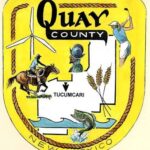 is an important part of the rural economy and identity of eastern New Mexico. The county’s broad grasslands, mesas and semi-arid plains support primarily cow-calf operations, along with smaller numbers of sheep, goats and horses. Many ranches are multigenerational family businesses centered around communities such as Tucumcari, Logan, San Jon and House. According to the 2022 Census of Agriculture, Quay County had about 41,764 cattle and calves, while livestock and related products generated 79 percent of the county’s agricultural sales. Cattle and calf sales alone totaled more than $38 million, ranking the county seventh among New Mexico counties. Approximately 1.6 million of the county’s 1.83 million acres of farmland were classified as pastureland, illustrating the extensive land base required to support livestock in a dry climate.
Local ranchers typically rely on native rangeland, seasonal grazing and supplemental feed to maintain their herds. Hay, wheat and grain sorghum production also supports the livestock sector, although crop and forage yields can vary substantially with rainfall. Water is the most significant limiting resource for Quay County producers, making wells, stock tanks, pipelines and careful grazing management essential to ranch operations. Drought, rising feed and fuel costs, livestock market volatility, wildfire risk and maintaining aging water infrastructure are persistent concerns. Despite these challenges, family ownership remains a defining feature of the agricultural community, with 97 percent of farms classified as family farms.